STEM Garden Activities
Through our aeroponic tower garden program, DCCTP students experience hands-on science, technology, engineering, and math — aligned with Virginia Standards of Learning across multiple subjects.
About Aeroponic Tower Gardens
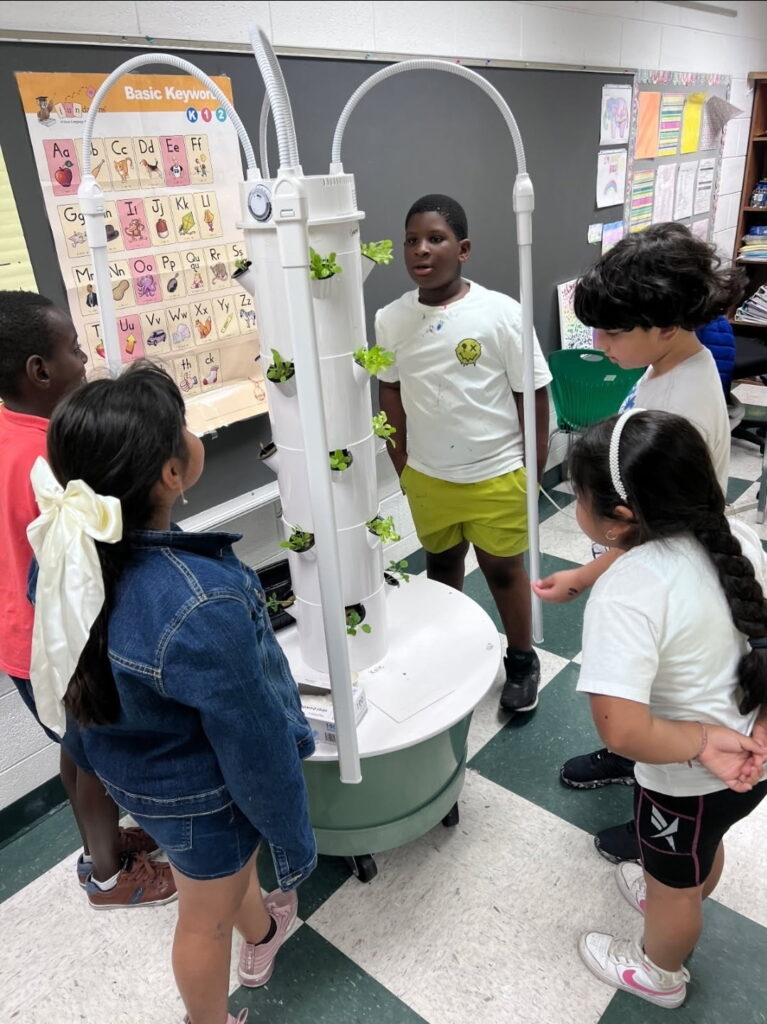
Aeroponic tower gardens are vertical, soil-free growing systems that allow plants to thrive using only water, nutrients, and air. Instead of traditional gardening methods, these towers use a closed-loop system that delivers nutrient-rich water directly to plant roots. They produce a wide variety of crops such as lettuce, herbs, and tomatoes.
The hands-on experience of watching plants grow from seed to harvest in an aeroponic system introduces students to sustainable farming practices and emerging agricultural technologies.
Real-world, inquiry-based learning
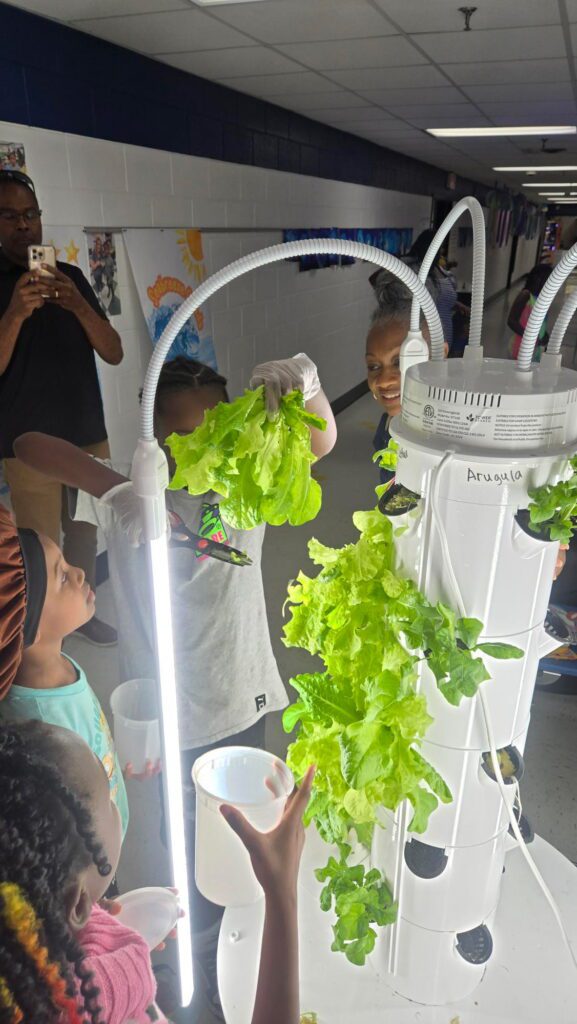
Tower gardens provide students with real-world, inquiry-based learning opportunities. Children take on the role of gardeners, scientists, and problem-solvers as they plant seeds, monitor growth, and adjust environmental conditions to optimize plant health.
Plant seeds
Students start the growing cycle and learn about plant biology.
Monitor growth
Track plant progress and identify environmental factors.
Measure & analyze data
Apply math concepts to track growth rates and yields.
Reflect & illustrate
Record observations through writing, sketching, and presentations.
Lessons extend beyond science to include math, literacy, and even art, as students record measurements, write reflections, and illustrate their observations. This type of experiential learning helps foster curiosity and critical thinking skills while giving students a sense of ownership and responsibility over their projects.
Virginia SOL Standards alignment
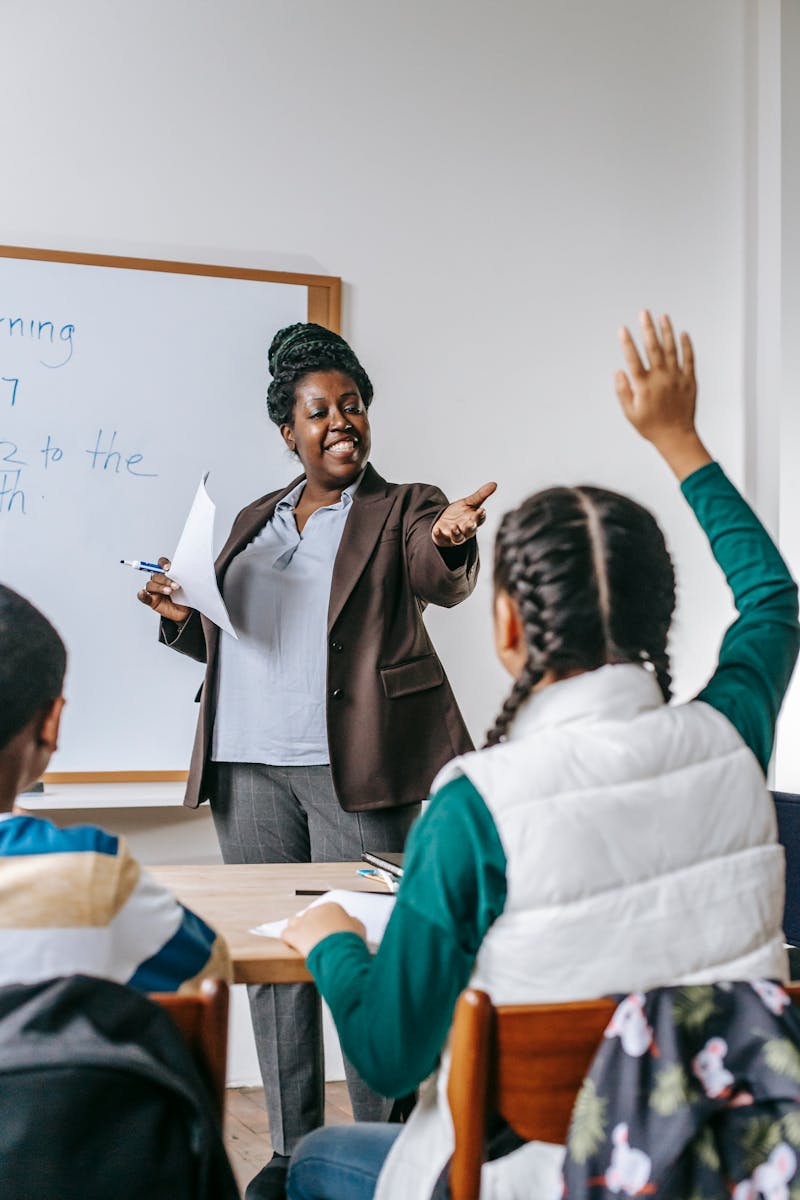
The use of aeroponic tower gardens connects directly to Virginia's Standards of Learning (SOL) objectives for grades K-6.
Science: Investigating plant structures, needs, and life cycles (SOL 1.4, 2.4, 4.4)
Math: Measuring plant growth and analyzing data (SOL 2.1, 3.4, 5.6)
Math: Calculating averages and rates of growth
Language Arts: Writing journals and reflections (SOL K.11, 3.9, 6.6)
Language Arts: Creating presentations
Language Arts: Reading informational texts on agriculture and sustainability
Social Studies: Exploring community food systems
Social Studies: Understanding environmental stewardship
Cross-curricular: Hands-on experiential learning
Cross-curricular: Critical thinking and ownership of long-term projects
Additionally, social studies standards are reinforced as students explore community food systems and the importance of environmental stewardship. The benefits of this approach extend far beyond academic learning — students gain confidence, curiosity, and a real-world connection to the science and math they study in school.
Support Hands-On STEM Learning
Your support helps us continue providing real-world learning experiences that go beyond books. Volunteer with our STEM programs or donate to help us reach more students.